CMC Live-Cell Imaging Core (CLIC)
About the core
Understanding cellular function requires the ability to observe dynamic biological processes in living systems. The CMC Live-cell Imaging Core (CLIC), which is affiliated with the Chemical Metabolism Core (CMC), provides advanced tools and expertise to visualize metabolic and signaling dynamics in real time across single cells, organoids, and complex tissues in 2D and 3D systems.

Offerings include:
- Live-cell imaging of metabolic & signaling dynamics: Track dozens of glycolytic and mitochondrial metabolites, second messengers (e.g. calcium, cAMP), and electrical properties including plasma membrane and mitochondrial voltage.
- Biosensors & viral tool development: Use any genetically encoded biosensor with cell-type–specific viral constructs or collaborate with us to develop new tools when needed.
- Integrated functional readouts: Combine live imaging with hormone secretion assays (e.g., insulin, glucagon, or other analytes using available kits).
- Collaborative experimental design & data interpretation: Beyond image acquisition, we work with you on experimental design, biosensor selection or development, assay optimization, and interpretation.
We also offer:
- Library of validated dyes & genetically encoded biosensors
- Organoids, tissues, & 96-well plate assays
- Feedback-controlled solution delivery & temperature control
- Perfusion assays of secreted molecules (insulin, glucagon, etc.)
- Offline 3D analysis with Oxford Imaris software
Available to Yale researchers only
Booking
PPMSAcknowledgment & authorship
The core provides raw and normalized data as well as advanced analysis (global metabolomics only) for additional fees. If data provided by the core is used in publications, grant applications, and/or presentations, then a standard acknowledgment of the core should be added:
“[Name of study] was designed and performed by the CMC Live-Cell Imaging Core at Yale University. We thank Yale University's [staff names] for their assistance with [technique/technology] and contribution to this project.”
Data interpretation in the context of a client’s projects is not an integral part of the core's services. If those services are desired and provided by one of the core’s scientists, then that scientist should be considered an author on the resultant publication(s) as per authorship guidelines published by the NIH, which include one or more of the following criteria:
- Conception or design of the project
- Original ideas or critical input
- Interpretation of data
- Drafting or revising the article for intellectual content
- Writing a portion of the paper, not just the materials and methods section
- Final approval of the version to be published
Contacts

Director
-
Core/facility
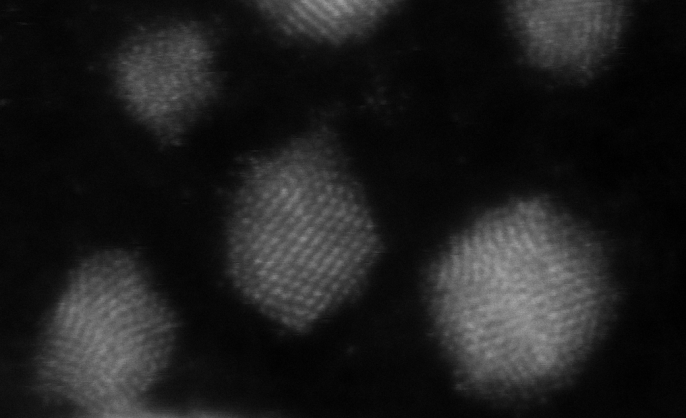
Aberration-Corrected Electron Microscopy (ACEM) Core
Our core's focus is cutting-edge and high-throughput capability in electron microscopy techniques, including TEM, SEM, and FIB.
-
Core/facility
YSM Biobank
Contact YSM Biobank for the full spectrum of your biorepository needs: consenting, collection, processing, storage, distribution, data access, grant application support, IRB compliance, and more.
Primary contact
-
Core/facility
Keck Biophysical Resource
As of 2026, the Keck Biophysical Resource will no longer be available for services except for NIDA investigators, who will still have access to some technologies.
Ewa Folta-Stogniew, PhD, MSc
Director (Retired)